
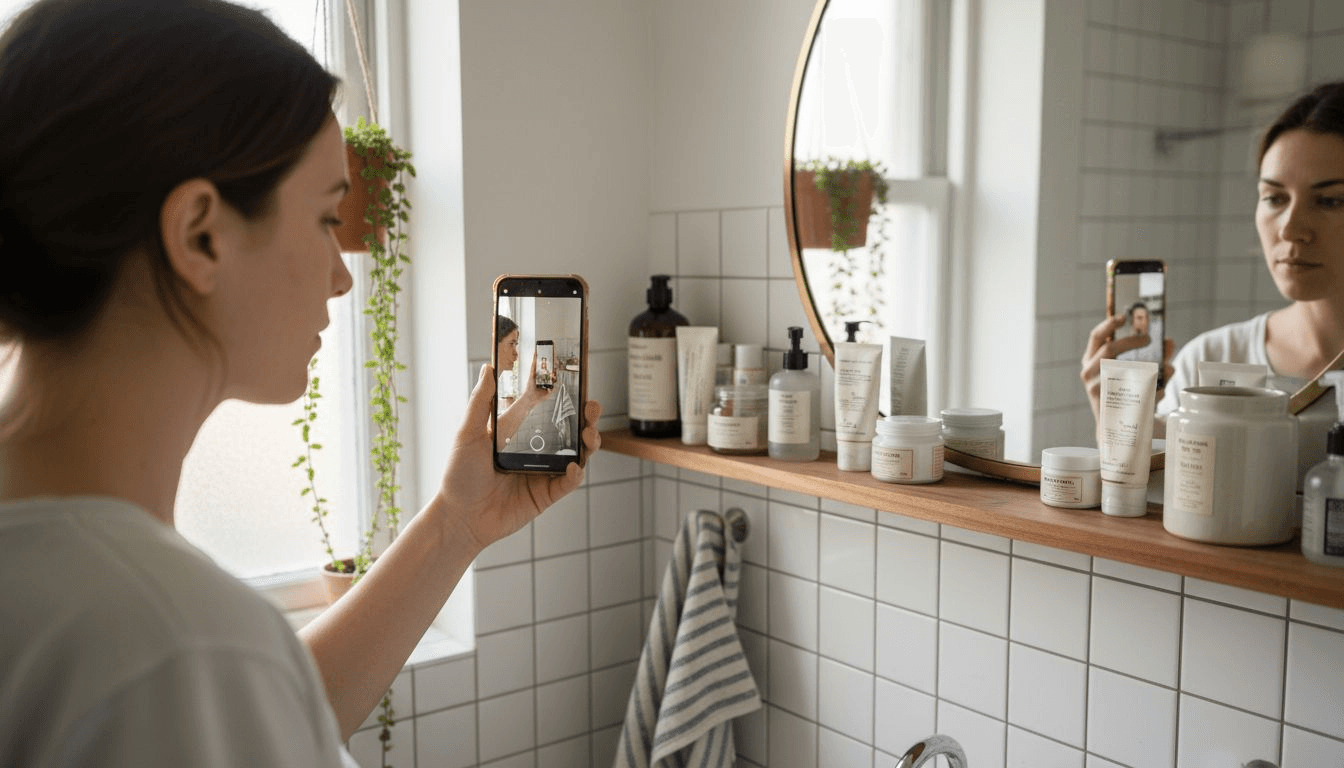
Finding skincare that truly works can feel overwhelming when generic solutions fail to address your unique needs. Precision is key for health-conscious individuals seeking to target early aging at home. Recent advances in AI and machine learning technologies now allow devices to analyze skin images with remarkable accuracy for personalized care, making advanced Korean beauty routines accessible worldwide. Discover how detailed diagnosis and innovative tools can transform your results.
Table of Contents
- Step 1: Assess Your Skin With A Personalized Diagnosis
- Step 2: Prepare Your Skin For Device-Enhanced Treatment
- Step 3: Apply Advanced At-Home Skincare Technologies
- Step 4: Layer Targeted K-Beauty Products For Synergy
- Step 5: Evaluate Results And Adjust Your Routine
Quick Summary
| Key Insight | Explanation |
|---|---|
| 1. Understand Your Skin Type | Assess your skin type and concerns to create a focused and effective skincare routine. |
| 2. Use AI for Personalized Diagnosis | Leverage AI imaging and diagnostics to achieve tailored recommendations based on your skin condition. |
| 3. Prepare Your Skin for Treatments | Properly cleanse and hydrate skin before device treatments to maximize effectiveness and safety. |
| 4. Follow Specific Device Protocols | Utilize devices according to instructions while starting with the lowest intensity for safety. |
| 5. Track Changes for Adjustments | Regularly document results and adjust your routine based on observed changes in skin health. |
Step 1: Assess your skin with a personalized diagnosis
You're about to discover what your skin actually needs, not what generic products claim works for everyone. A personalized diagnosis is your foundation for building a skincare routine that delivers real results.
Start by understanding your skin type and condition. Ask yourself: Is your skin oily, dry, combination, or sensitive? Does it feel tight or congested? Are you seeing early signs of aging, texture issues, or breakouts? Write down what bothers you most—this clarity matters.
Next, take a close look at your skin in natural light. Use a mirror and examine your T-zone, cheeks, and jawline separately. Notice where you're most prone to dryness or oiliness. Look for uneven texture, pores that feel enlarged, or discoloration. This visual assessment gives you baseline data.
The real power comes from combining what you observe with technology. Modern AI and machine learning technologies can analyze your skin images with accuracy that rivals professional dermatology assessments. These systems identify patterns you might miss and account for differences in lighting, skin tone, and image quality.
Consider using a structured diagnostic tool:
- Answer questions about your lifestyle (sleep, stress, diet, sun exposure)
- Describe your current skincare concerns in detail
- Note any skin sensitivities or reactions you've experienced
- Share your skincare goals (anti-aging, acne control, hydration, etc.)
- Upload clear photos of your skin in consistent lighting
The goal is data completeness. The more honest and detailed you are, the more tailored your recommendations become. Digital diagnostic systems use real-time data such as imaging, genetics, and environmental factors to create a comprehensive skin profile.
Once you have your personalized diagnosis, you'll know exactly which skin concerns to prioritize and which devices or products address them first. This prevents wasting money on solutions for problems you don't actually have.
A personalized diagnosis is your shortcut to effective skincare—it transforms guesswork into precision care tailored to your unique skin.
Pro tip: Take your diagnostic photos under the same lighting conditions and at the same time of day each time you reassess (ideally monthly). Consistency in your documentation helps you track real progress versus day-to-day fluctuations from hydration or inflammation.
Step 2: Prepare your skin for device-enhanced treatment
Your skin needs specific preparation before any device treatment to maximize results and minimize irritation. Think of this as priming a canvas before painting—the foundation determines everything that follows.
Start by cleansing thoroughly but gently. Use a mild, non-stripping cleanser to remove makeup, sunscreen, and daily grime without disrupting your skin barrier. Pat your skin dry completely, as moisture can interfere with device contact and energy delivery.
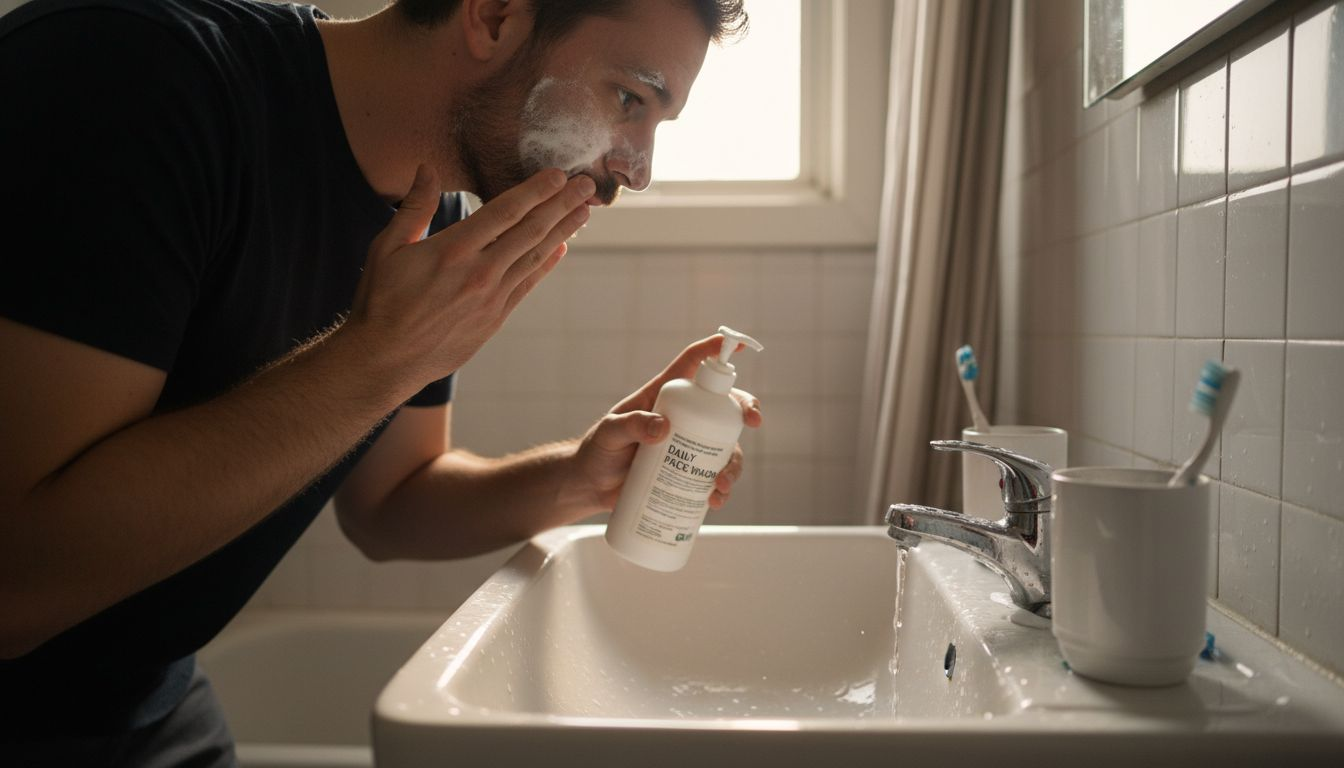
Next, exfoliate lightly two to three days before treatment. Remove dead skin cells that sit on the surface, which can block light or energy from reaching healthy skin beneath. Skip this step if your skin is already sensitive or compromised.
Hydrate deeply the night before treatment. Apply a nourishing moisturizer or essence to strengthen your skin barrier. Well-hydrated skin responds better to device treatments and recovers faster afterward.
Understanding your baseline skin condition is critical for optimization. AI-imaging technologies help identify exactly how your skin will respond to energy-based devices by capturing detailed baseline data. This personalized approach ensures treatment parameters are customized specifically for your skin.
On treatment day, follow these steps:
- Skip all active ingredients (retinol, vitamin C, acids) for at least 24 hours before
- Avoid sun exposure and sunscreen application right before your session
- Remove any makeup or serums that could create a barrier
- Ensure your skin is completely dry and cool
- Wear loose, comfortable clothing you don't mind getting product on
If your skin has any current irritation, breakouts, or sensitivity, postpone treatment. 3D skin mapping technology allows clinicians to visualize your skin's texture and elasticity in detail, which helps customize treatment intensity. Your personalized protocol should account for your unique skin characteristics, not a one-size-fits-all approach.
Consider taking baseline photos under consistent lighting so you can track changes over sessions. This simple documentation proves invaluable for assessing real progress.
Proper preparation isn't optional—it's what transforms a good treatment into a transformative one.
Pro tip: Avoid caffeine and alcohol for 24 hours before treatment, as both can increase skin sensitivity and inflammation. Instead, drink plenty of water to ensure your skin enters the session well-hydrated from within.
Step 3: Apply advanced at-home skincare technologies
This is where your routine transforms from basic to clinical-grade results. Advanced devices deliver professional-level treatment without leaving your home, targeting specific skin concerns with precision energy or light.
Start by selecting the right device for your primary concern. Do you want to boost collagen and reduce fine lines? LED light therapy or microcurrent technology works best. Struggling with congestion or texture issues? Ultrasonic or radiofrequency devices excel here. Your personalized diagnosis from Step 1 should guide this choice.
Read your device instructions thoroughly before first use. Each technology has specific requirements for application, duration, frequency, and intensity settings. Skipping this step wastes the device's potential and risks irritation.
Begin with the lowest intensity setting on your first application. Your skin needs time to adapt to the energy being delivered. You can gradually increase intensity over subsequent sessions as your skin builds tolerance.
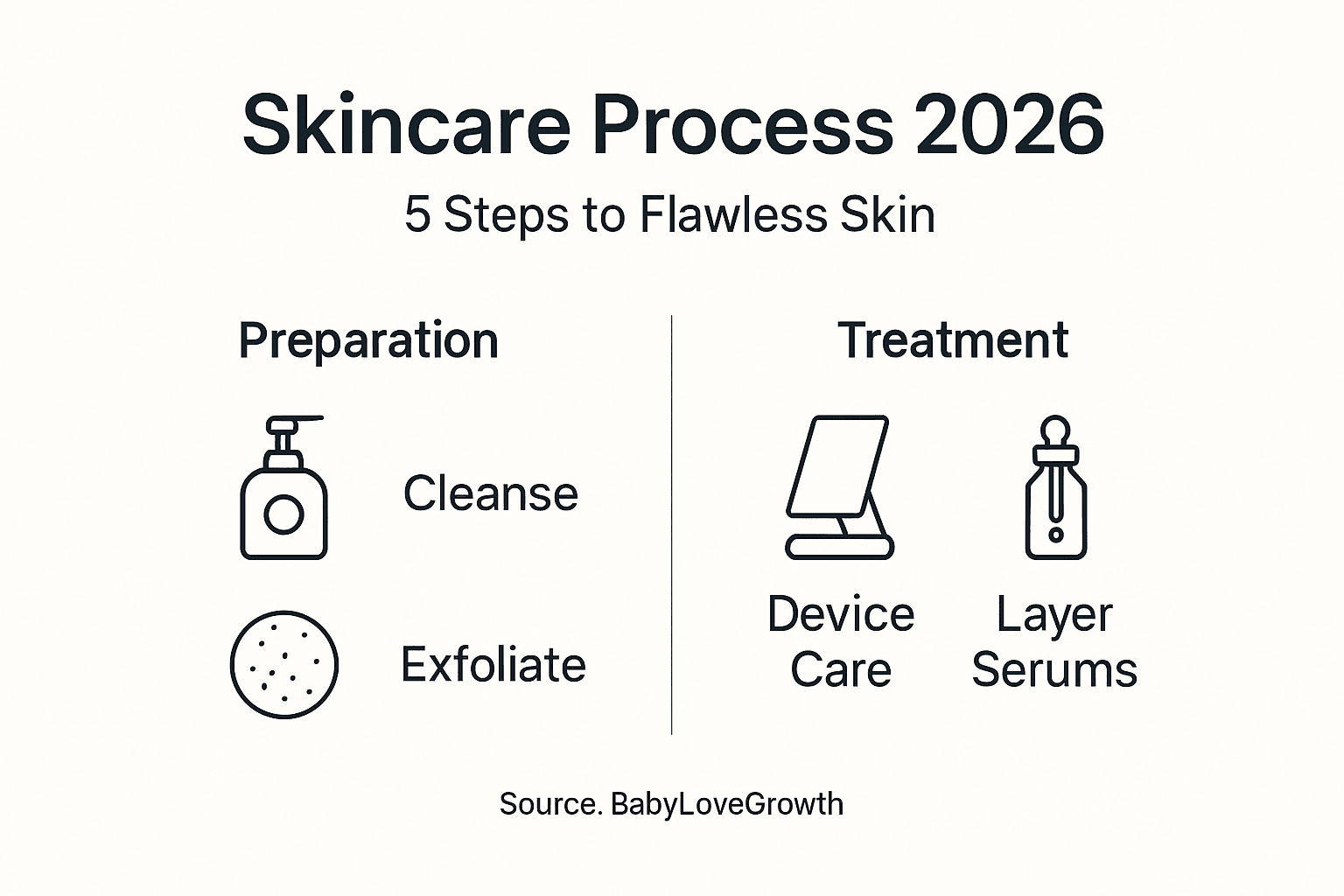
The growing market for at-home beauty devices reflects how accessible professional-grade skincare has become, with innovations like LED masks, microcurrent tools, and ultrasonic devices now mainstream for home use.
Here's a quick comparison of popular at-home skincare device types and their main benefits:
| Device Type | Main Benefit | Best For |
|---|---|---|
| LED Light Therapy | Stimulates collagen, reduces redness | Fine lines, inflammation |
| Microcurrent | Firms skin, lifts contours | Sagging, loss of tone |
| Ultrasonic | Deep cleansing, improves texture | Congestion, uneven skin |
| Radiofrequency | Tightens skin, boosts elasticity | Mild laxity, aging signs |
Apply devices in the correct sequence:
- Start with cleansed, completely dry skin (no serums or moisturizers underneath)
- Apply any recommended conductive gel or serum if your device requires it
- Use slow, deliberate motions across each facial area
- Follow the recommended session length (typically 5-15 minutes)
- Allow appropriate rest time between treatments as specified
- Apply moisturizer and sunscreen after your session
Consistency matters more than intensity. Using a device twice weekly at moderate settings delivers better results than sporadic intense sessions. Mark your calendar and treat it like a non-negotiable appointment with yourself.
Watch for skin response in the first two weeks. Some mild redness or warmth is normal. If you experience persistent irritation, reduce frequency or intensity immediately.
The most advanced device in the world only works if you actually use it consistently.
Pro tip: Apply your device in the evening rather than morning when possible, allowing your skin several hours to calm and recover before sun exposure. This minimizes redness and maximizes the calming effect of any post-treatment products you apply.
Step 4: Layer targeted K-beauty products for synergy
Layering is an art form in Korean skincare. The right sequence transforms individual products into a powerful system where each ingredient enhances the next, multiplying results far beyond what any single product delivers alone.
Understand the fundamental principle: apply from thinnest to thickest consistency. Lightweight serums penetrate before heavier creams seal them in. This order ensures maximum absorption and prevents products from sitting on your skin's surface ineffectively.
Start with cleansed, damp skin. A light layer of water actually helps products absorb deeper rather than sitting on dry skin. Pat gently, leaving your face slightly moist before applying your first treatment product.
Begin with toners or essences. These hydrating bases prepare your skin to receive active ingredients. Korean beauty emphasizes barrier-supportive formulations, so look for products with postbiotics and fermented ingredients that strengthen your microbiome rather than disrupt it.
Next, apply targeted actives based on your concerns. Whether you're using vitamin C for brightening, niacinamide for texture, or peptides for firmness, this is where your personalized approach matters. Modern K-beauty formulations feature barrier-supportive ingredients including fermented components and postbiotics designed to work synergistically in layered routines.
Follow this layering sequence for maximum efficacy:
- Toner or hydrating essence (allows absorption base)
- Treatment serum or ampoule (active ingredients target specific concerns)
- Lightweight emulsion (builds hydration and prepares for heavier steps)
- Eye cream (delicate area needs targeted care)
- Facial cream or sleeping mask (seals everything in)
- SPF during morning routine (always final step before makeup)
Wait 30 to 60 seconds between each layer, allowing products to settle. This prevents pilling and ensures proper absorption. Modern K-beauty synergies blend advanced actives with sensorial textures designed for both efficacy and user satisfaction, so enjoy the ritual as part of the results.
Consider your device application timing. Apply skincare first, allow full absorption, then use your device. Or reverse the sequence by applying products after device treatment while your skin is primed to absorb them deeply.
The synergy between products matters more than the individual ingredients in each one.
Pro tip: Mix and match products by concern, not brand loyalty. Your perfect routine combines the best hydrator from one brand, the best active from another, and the best barrier cream from a third. Personalization beats prestige every time.
Step 5: Evaluate results and adjust your routine
Your skincare routine isn't static. Real progress comes from tracking what works, identifying what doesn't, and making intentional adjustments based on actual skin response rather than assumptions or marketing claims.
Start by documenting your baseline. Take consistent photos under identical lighting conditions and at the same time each week. You're not looking for overnight miracles but rather gradual shifts in texture, clarity, firmness, and radiance over 4 to 8 weeks.
Monitor how your skin feels, not just how it looks. Does your skin feel hydrated or tight? Is sensitivity decreasing? Are you experiencing less congestion? These sensory markers matter as much as visual changes and often appear before dramatic visual results.
Track barrier health specifically. Healthy skin barrier shows reduced redness, less irritation, and improved moisture retention. If your skin feels increasingly sensitive after routine changes, that's your signal to scale back intensity or remove a product immediately.
Modern skincare evaluation relies on data-driven approaches. Personalized diagnostics and apps help track changes in hydration, sensitivity, and environmental factors to enable informed adjustments rather than guesswork. Use these tools to establish patterns over time.
Evaluate your routine systematically:
Below is a summary of how to systematically evaluate progress during your skincare routine:
| Evaluation Stage | What to Look For | Recommended Action |
|---|---|---|
| Weeks 2-3 | Sensitivity or positive feeling | Adjust intensity if needed |
| Week 4 | Textural or tone improvement | Compare baseline photos |
| Weeks 6-8 | Cumulative visible changes | Assess product and device effect |
| Week 12 | Major transformation signs | Consider routine adjustments |
- Week 2 to 3: Note any immediate sensitivity or positive sensations
- Week 4: Compare baseline photos for subtle texture or tone changes
- Week 6 to 8: Assess cumulative results from devices and products combined
- Week 12: Major milestone for collagen production and deeper skin transformation
- Monthly: Reassess and adjust based on seasonal changes and skin needs
Make one change at a time when adjusting. Adding or removing multiple products simultaneously makes it impossible to identify what's actually working. This single strategy prevents routine confusion and helps you understand your skin's true preferences.
Consider environmental factors that demand routine adjustments. Winter requires heavier hydration. Summer may need lighter textures. Travel, stress, hormonal shifts, and seasonal changes all warrant temporary tweaks to maintain balance.
If results plateau after 12 weeks, increase device intensity slightly or introduce a complementary product targeting a secondary concern. Skin adapts to treatments over time, requiring strategic progression.
Progress isn't visible week to week. It's undeniable month to month when you actually track it.
Pro tip: Keep a simple skincare journal noting product changes, device frequency, how your skin felt, and any external factors like sleep or stress. Reviewing these notes quarterly reveals patterns that guide smarter adjustments than memory alone can provide.
Transform Your Skincare Routine with Precision and Innovation
The challenge of mastering a truly effective daily skincare process starts with understanding your unique skin needs and preparing it properly for advanced treatments. This article highlights the importance of personalized diagnosis, careful skin preparation, the power of at-home device technologies, and the synergy of layering targeted K-beauty products. Many encounter frustration with generic routines that do not deliver visible results or worsen sensitivity. If you want to overcome those pain points and achieve lasting improvements like collagen boosting, texture refinement, and barrier support, you need a solution that adapts to your skin and lifestyle.
Take control of your skincare journey today with Yeon Ritual, an innovative Korean skincare platform that offers dermatologist-approved devices and personalized routines tailored just for you. Begin with a quick skin diagnosis quiz, receive expert device recommendations such as LED phototherapy or microcurrent therapy designed to target your specific concerns, and enhance your routine with curated, science-backed K-beauty products. Experience how integrating cutting-edge technology with proven Korean beauty principles can deliver professional-grade results safely at home. Don't wait for your skin to improve on its own because now is the moment to achieve the flawless complexion you deserve. Visit Yeon Ritual and start your transformation.
Frequently Asked Questions
How can I accurately diagnose my skin type for effective skincare?
Start by observing your skin in natural light and identifying characteristics like dryness, oiliness, or sensitivity. Use a structured diagnostic tool to answer questions about lifestyle and skin concerns, ensuring a tailored skincare routine based on your unique needs.
What steps should I take to prepare my skin for device-enhanced treatment?
Cleansing thoroughly and exfoliating lightly two to three days before treatment is essential for optimal results. Hydrate your skin deeply the night before and ensure it is completely dry and free from any active ingredients on the day of treatment to maximize device effectiveness.
How do I choose the right at-home skincare device for my concerns?
Select a device based on your primary objective, such as LED light therapy for fine lines or ultrasonic technology for congestion. Read the instructions carefully to understand the application and gradually adjust intensity settings for best results.
What is the proper sequence for layering K-beauty products?
Start with lightweight toners or essences, followed by targeted serums, emulsions, eye creams, and finish with a facial cream or sleeping mask. Always apply products from thinnest to thickest consistency, waiting 30 to 60 seconds between layers to ensure optimal absorption.
How can I effectively evaluate the progress of my skincare routine?
Take consistent photos of your skin under identical lighting weekly to monitor gradual changes over time. Document how your skin feels and make one adjustment at a time based on your observations to ensure accurate tracking of what works for you.
What should I do if my skincare routine stops showing results?
If you notice a plateau after 12 weeks, consider slightly increasing the intensity of your device or introducing a new product that targets a secondary concern. Adjustments should be made gradually to ensure your skin can adapt effectively.